
Compensation for Damages Caused by Air Pollution
2024-04-09
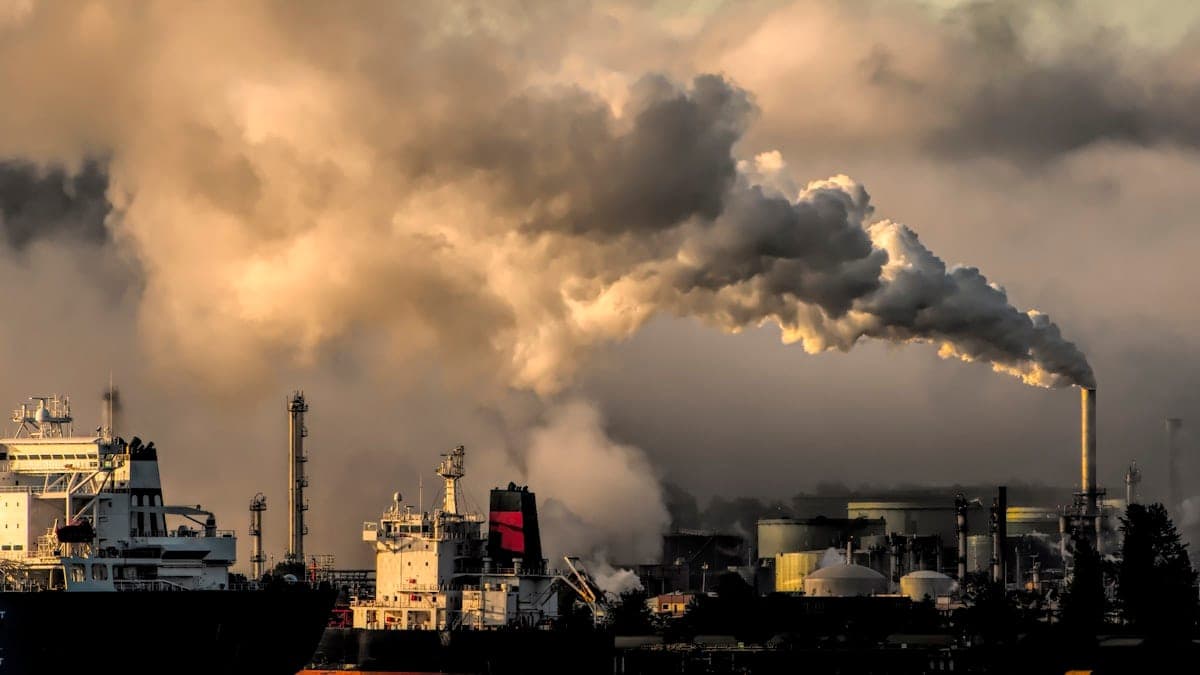
Air pollution is one of the fundamental environmental challenges, carrying serious consequences for human health, the economy of communities, and ecosystems. This crisis directly and indirectly causes numerous illnesses and increases social and economic costs. In this article, we examine the legal dimensions of the issue, look at the possibility of obtaining compensation for damages caused by air pollution, and offer some recommendations for improving the situation.
The right to clean air: legal foundations
1. Iran's domestic laws
In Iran's legal system, several laws address the right to a healthy environment and clean air:
- Article 50 of the Constitution: This article treats the protection of the environment as a public duty and prohibits activities that lead to environmental destruction.
- The Environmental Protection and Improvement Act: This law requires industries, organizations, and institutions to comply with environmental standards.
- The Clean Air Act: This law directly addresses combating air pollution and sets out responsibilities for the government and industries.
2. International instruments
The right to a healthy environment is also emphasized in international instruments:
- The Stockholm Declaration (1972): Emphasizes the right of all human beings to live in a healthy environment.
- The Rio Declaration (1992): Highlights the importance of sustainable development and reducing pollution.
Consequences of air pollution: physical, financial, and environmental
1. Physical harm
Air pollution has destructive effects on human health:
- Increased respiratory illnesses such as asthma and bronchitis.
- Increased risk of cardiovascular disease.
- Premature death, particularly in urban communities.
2. Financial harm
Air pollution causes extensive financial damage:
- Increased costs of treating illnesses.
- Reduced labor productivity due to illness.
- Damage to public and private property (corrosion of metals, buildings, and vehicles).
3. Environmental harm
The effects of air pollution on the environment include:
- Destruction of vegetation.
- Reduced soil and water quality.
- Damage to ecosystems and reduced biodiversity.
Legal responsibility for air pollution
1. Responsibility of the government and public institutions
Governments are obligated to oversee the enforcement of environmental laws. If they fall short in carrying out these duties, citizens can bring suit against these institutions.
2. Responsibility of industries and factories
Industries that operate without complying with standards are the main source of pollutant emissions and, under the law, must answer for the damages caused by their pollution.
3. Responsibility of citizens and private companies
The conduct of citizens and small companies also affects the level of air pollution. Public participation in reducing fossil fuel consumption and using public transportation is part of citizens' civic duty.
The possibility of obtaining compensation for air pollution damage
1. Filing a complaint against polluting industries
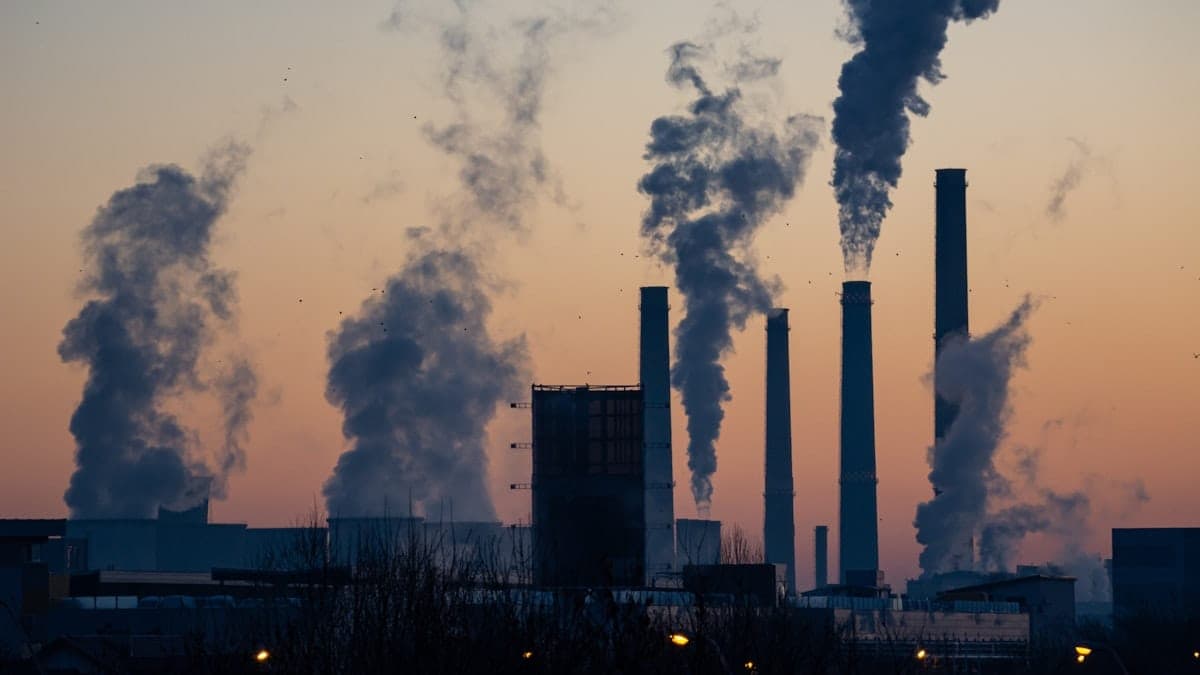
Citizens can, relying on environmental laws, bring suit against polluting industries and factories and claim their damages.
2. Class action complaints
Class action complaints are one effective tool for pursuing damages and influencing environmental policy.
3. Filing a complaint against the government or public institutions
If public institutions fall short in carrying out their statutory duties, citizens can file a complaint against them by relying on Article 50 of the Constitution and related laws.
4. Support funds and environmental insurance
Establishing compensation funds or environmental insurance schemes can be effective in covering treatment costs and financial damages.
Challenges and obstacles in obtaining compensation
1. Proving causation
One of the main difficulties in air pollution litigation is proving that the pollution directly caused the physical or financial damage.
2. Weak enforcement oversight
Many environmental laws are not properly enforced, and there is insufficient oversight of polluting industries' activities.
3. Lack of clear compensation mechanisms
The lack of clarity around the extent of damages and how to compensate for them is another obstacle to pursuing legal action.
Recommended solutions for improving the situation
1. Strengthening environmental laws
Drafting comprehensive, clear laws to determine responsibilities and methods of compensation is essential.
2. More rigorous enforcement oversight
Increasing oversight of industries' conduct, using pollution-reduction technologies, and taking legal action against violators can be effective.
3. Public awareness
Educating citizens about environmental rights and their role in reducing air pollution can have a significant impact.
4. Establishing compensation mechanisms
Setting up support funds or environmental insurance schemes can reduce the financial burden caused by air pollution.
Conclusion
Air pollution is one of the serious problems of our time, endangering human health and the environment. From a legal standpoint, citizens have the right to take action to obtain compensation for damages caused by air pollution. However, realizing this right requires strengthening the laws, increasing oversight of their enforcement, and establishing compensation mechanisms. Attention to these matters can be an effective step toward reducing the effects of the air pollution crisis and achieving environmental justice.
For more information, contact the Alemohamad Law Office.